
Hydrate with minerals, not just water.
Hydration is often talked about in very simple terms: drink more water.
And while hydration absolutely matters, the conversation usually stops there. The reality is that hydration is not just about how much water you drink — it is about whether your body can actually use the water you are giving it.
Water does not enter and stay inside your cells on its own. It relies on electrolytes, particularly sodium, to help move fluid into and out of cells properly. Without enough of these minerals, you can drink large amounts of water and still feel tired, foggy, or depleted.
This is especially relevant for women who eat predominantly whole-food diets, train regularly, drink coffee, or live in a state of chronic low-level stress. All of these factors can increase electrolyte needs, particularly sodium, without it being obvious.




Why This Matters More Than Most People Realise
Sodium has been unfairly simplified in mainstream nutrition conversations. While extremely high sodium intake from heavily processed foods can absolutely be problematic, many people who eat whole foods and avoid packaged products can accidentally swing too far the other way.
Sodium plays a role in:
Nerve signalling
Muscle contraction
Fluid balance inside and outside cells
Adrenal and nervous system function
Stomach acid production and digestion
When sodium intake is too low relative to fluid intake, the body can perceive stress. This can show up as afternoon energy crashes, sugar cravings, dizziness when standing up, brain fog, or the familiar “tired but wired” feeling.
This is not a willpower issue. It is often a signalling issue.
Why Modern Health Messaging Makes This Confusing
For years, public health messaging has focused on reducing sodium intake. For some populations, this was important. But nutrition is always contextual.
If your diet is largely built around whole foods, if you are sweating regularly through training, or if you drink multiple coffees per day, your electrolyte needs may look very different from someone eating a highly processed diet.
This does not mean adding excessive salt to everything you eat. It means understanding that minerals are part of hydration, not separate from it.
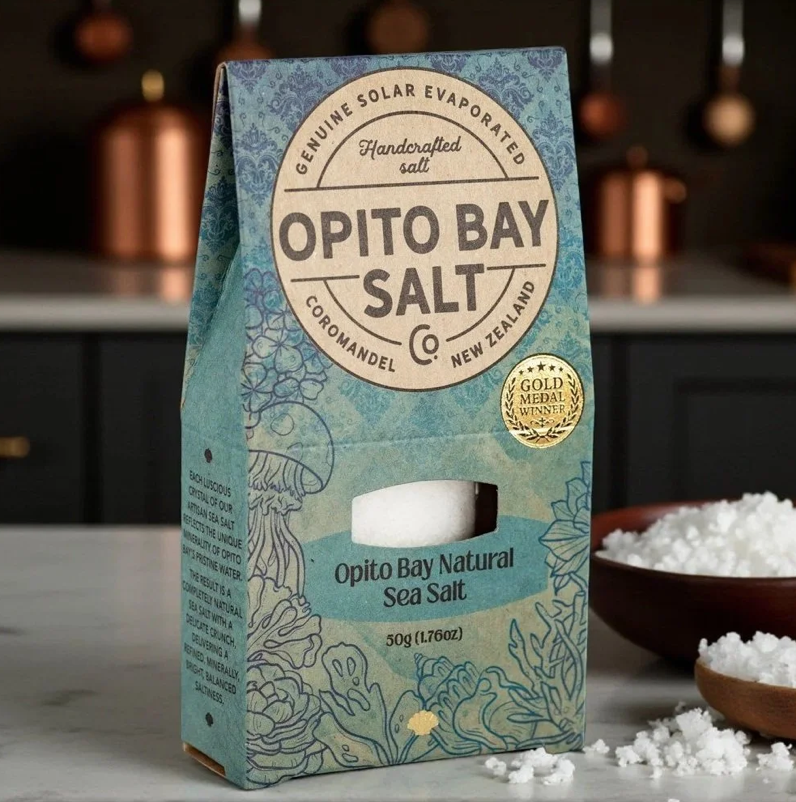
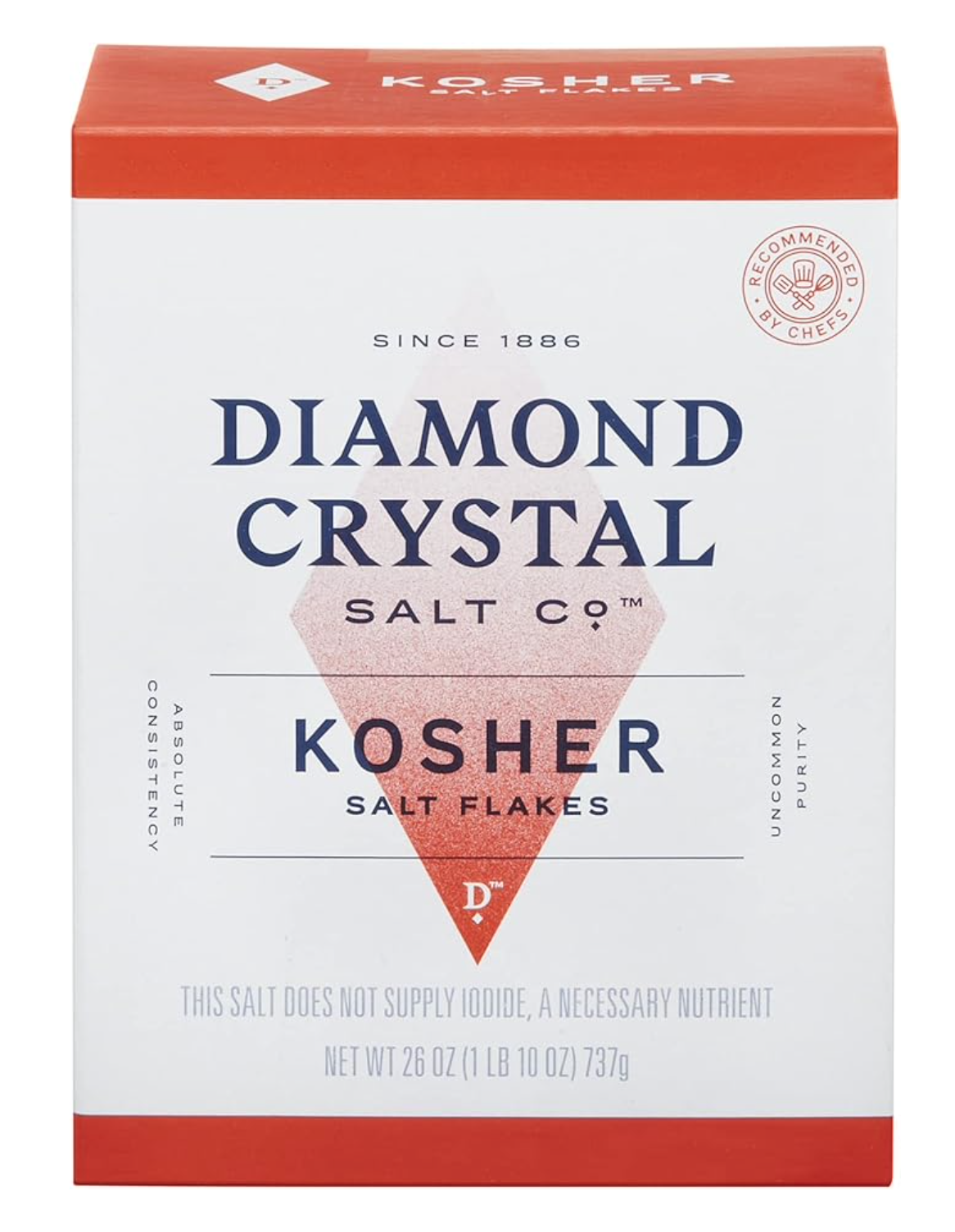
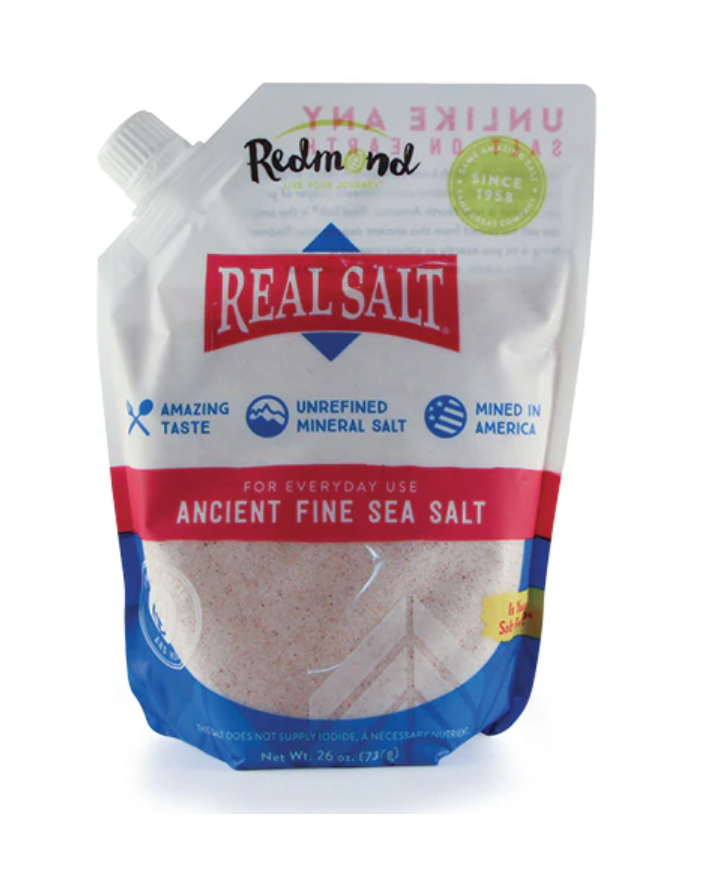
If you are adding salt more intentionally, it is worth choosing good quality sources. Look for brands that are transparent about testing and sourcing, and labels that mention things like low heavy metals, no detectable heavy metals, or microplastic testing (for sea salts).
Some smaller New Zealand producers, such as Opito Bay Sea Salt, publicly state that they do not detect heavy metals or microplastics in testing. This does not mean other salts are unsafe, but it does show the direction the industry is moving in around quality and transparency.
What This Looks Like In Real Life
This does not need to be complicated.
For many people, it can be as simple as:
Adding a small pinch of quality salt to morning water
Using a sugar-free electrolyte powder
Ensuring meals are adequately seasoned rather than completely salt-free
Many people notice improved energy stability, fewer cravings, and less afternoon fatigue simply from improving electrolyte balance.

The Deeper Shift
The bigger lesson here is that the body is always responding to inputs. Water is one input. Minerals are another. Stress, sleep, food quality, and environment all interact together.
When you support hydration at a cellular level, rather than just increasing fluid volume, the body often feels calmer, more stable, and more resilient.
You do not always need more effort. Sometimes you need better support for the systems that are already working for you.
Cheers to your morning hydration !
Maddy x