
Silky Dark Chocolate Mousse Recipe (Protein, No-Bake, Dairy or Plant Option)
Eat Like You Matter: Why Pleasure Is Part of Real Nourishment
For many women, nutrition has historically been framed through the lens of control, restriction, and willpower. Healthy eating has often been associated with sacrifice, less flavour, less satisfaction, and less pleasure. Over time, this creates a subtle but powerful message that nourishment is something we endure rather than something we experience.
However, the human body does not respond optimally to punishment. It responds best to safety, satisfaction, and adequate nourishment. Pleasure, from a biological perspective, is not indulgent or unnecessary; it is information. When food tastes good and feels satisfying, the brain interprets this as a signal that the body is receiving what it needs.
When you eat something that is both enjoyable and nutritionally supportive, several key neurochemicals are released. Dopamine is involved in reward learning and motivation, helping reinforce behaviours that support survival. Serotonin contributes to mood regulation and satiety. Oxytocin, often associated with bonding and connection, can be stimulated when food is consumed in positive social or emotional contexts. Endorphins contribute to sensations of comfort and pleasure.
These responses are not accidental.
The brain is constantly evaluating whether you are safe, resourced, and supported. When food is deeply satisfying in texture, flavour, and nutrient density, the nervous system is more likely to move out of a stress state and into a regulated state. In that regulated state, digestion improves, inflammatory signalling decreases, and hormonal communication becomes more efficient.
This is one of the reasons highly restrictive nutrition approaches are rarely sustainable long term. If food never provides pleasure or satisfaction, the brain continues to drive seeking behaviour. Cravings are not simply about willpower; they are often about incomplete biological satisfaction.
True nourishment supports both physiology and experience.
It allows food to be stabilising, enjoyable, and supportive of long-term health rather than something that must be endured.
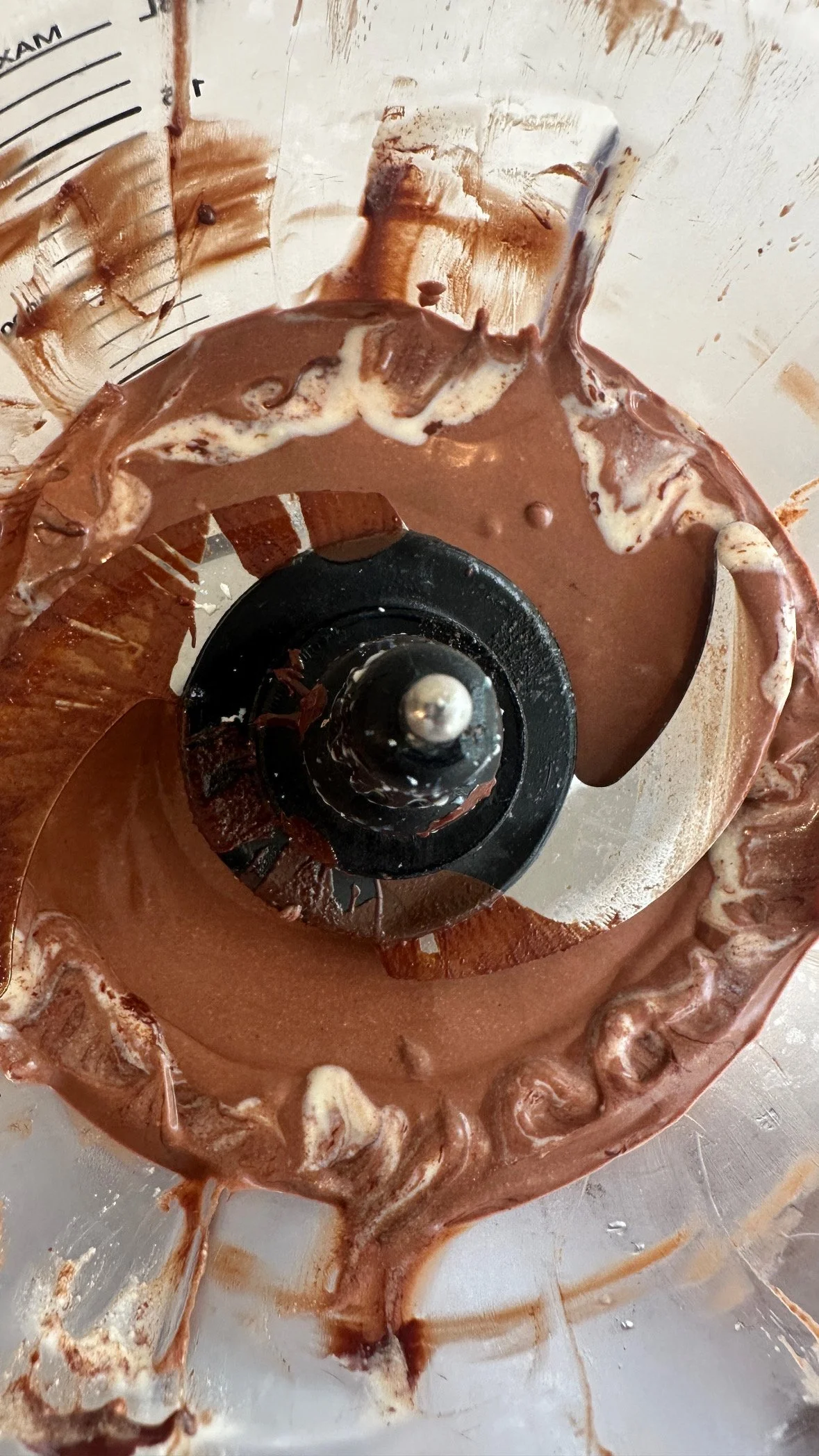
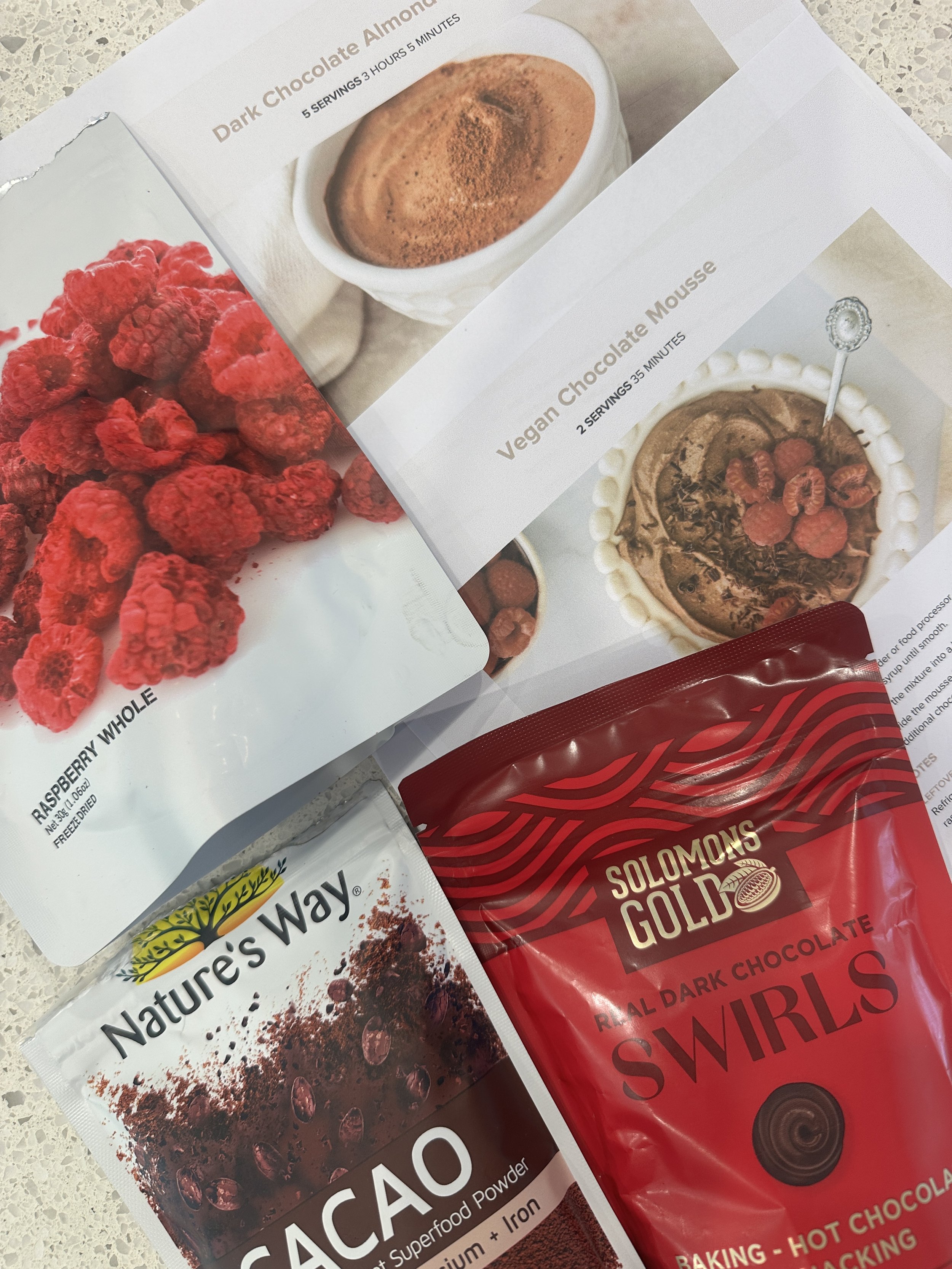
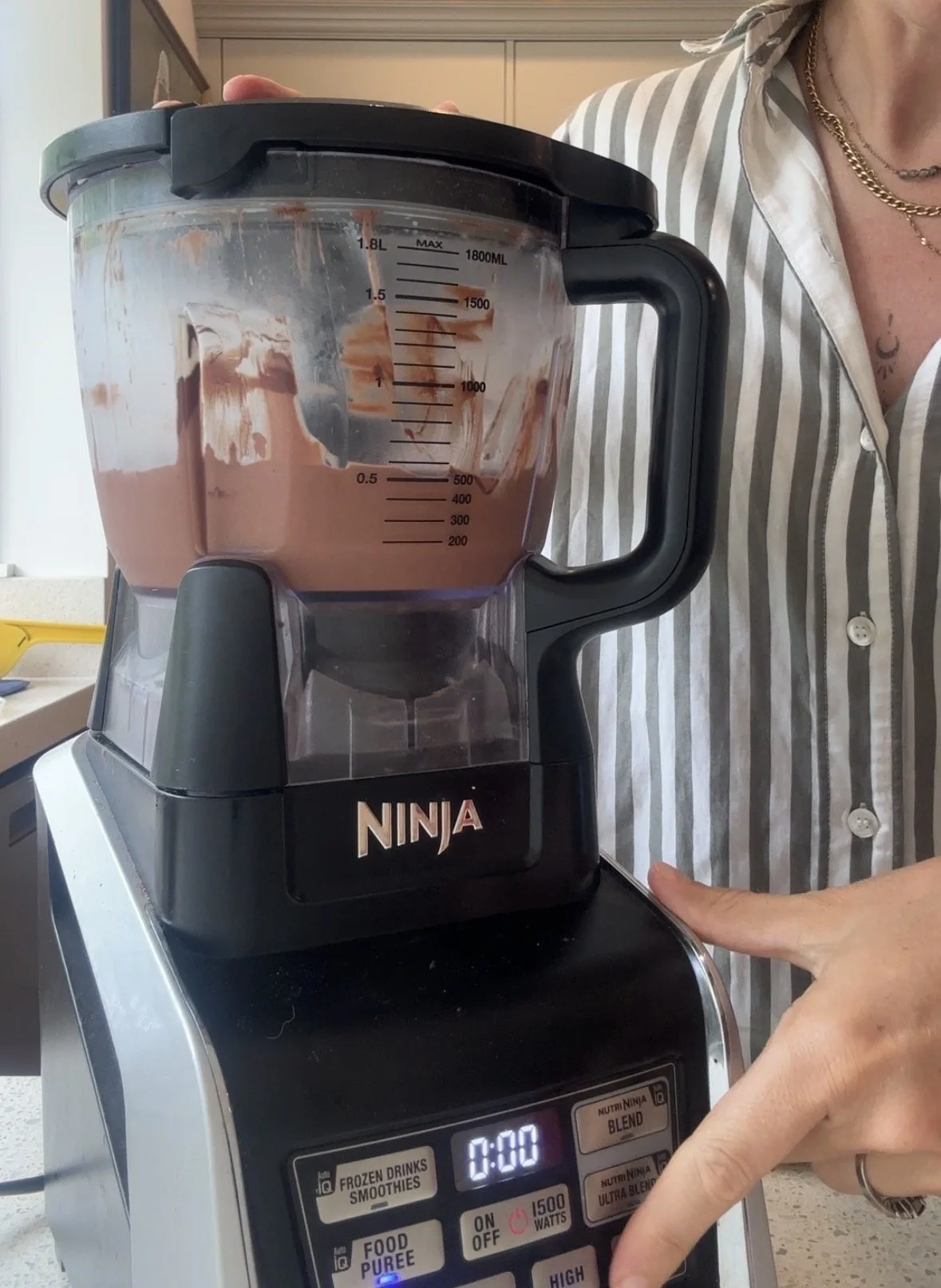
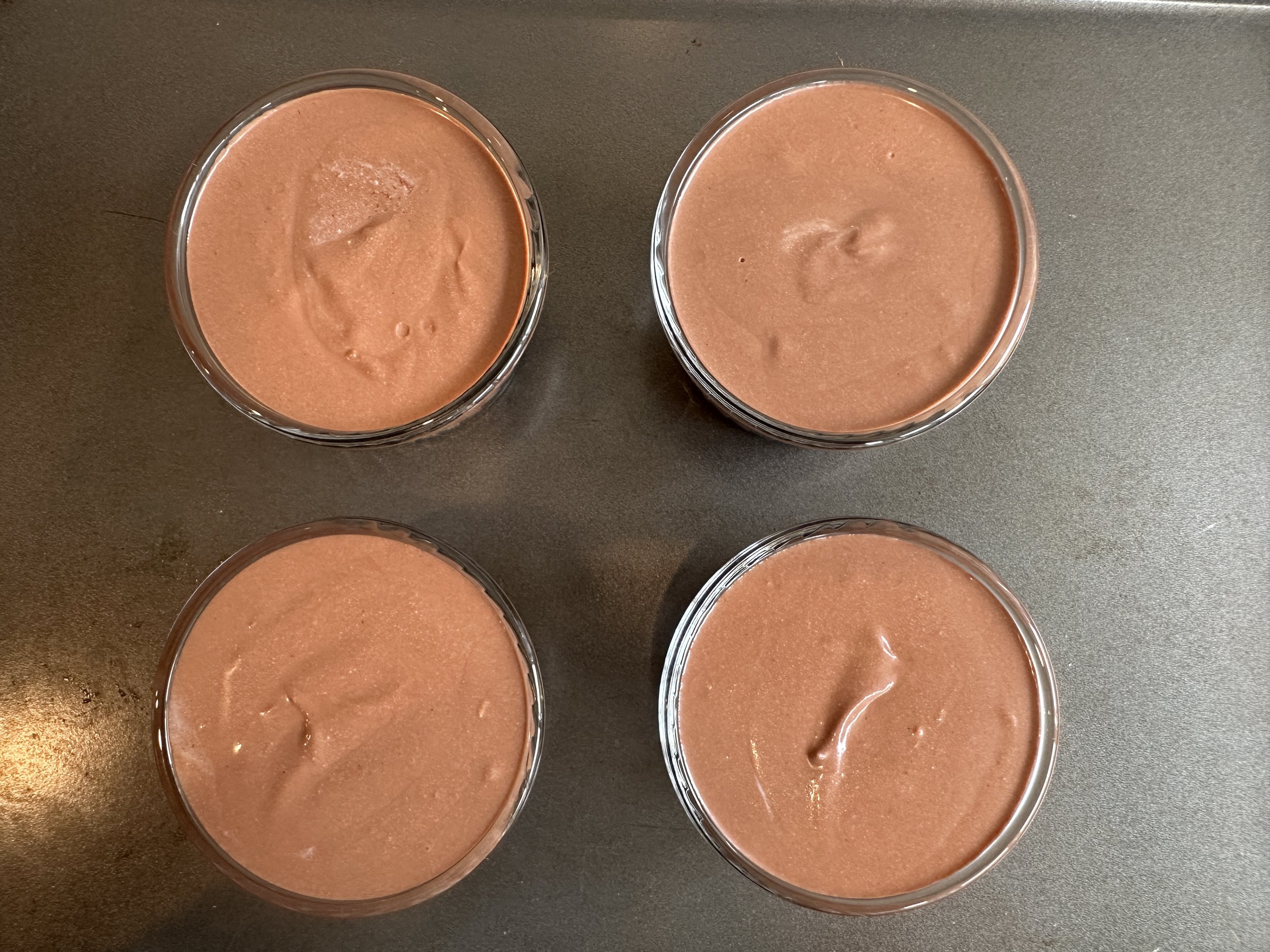
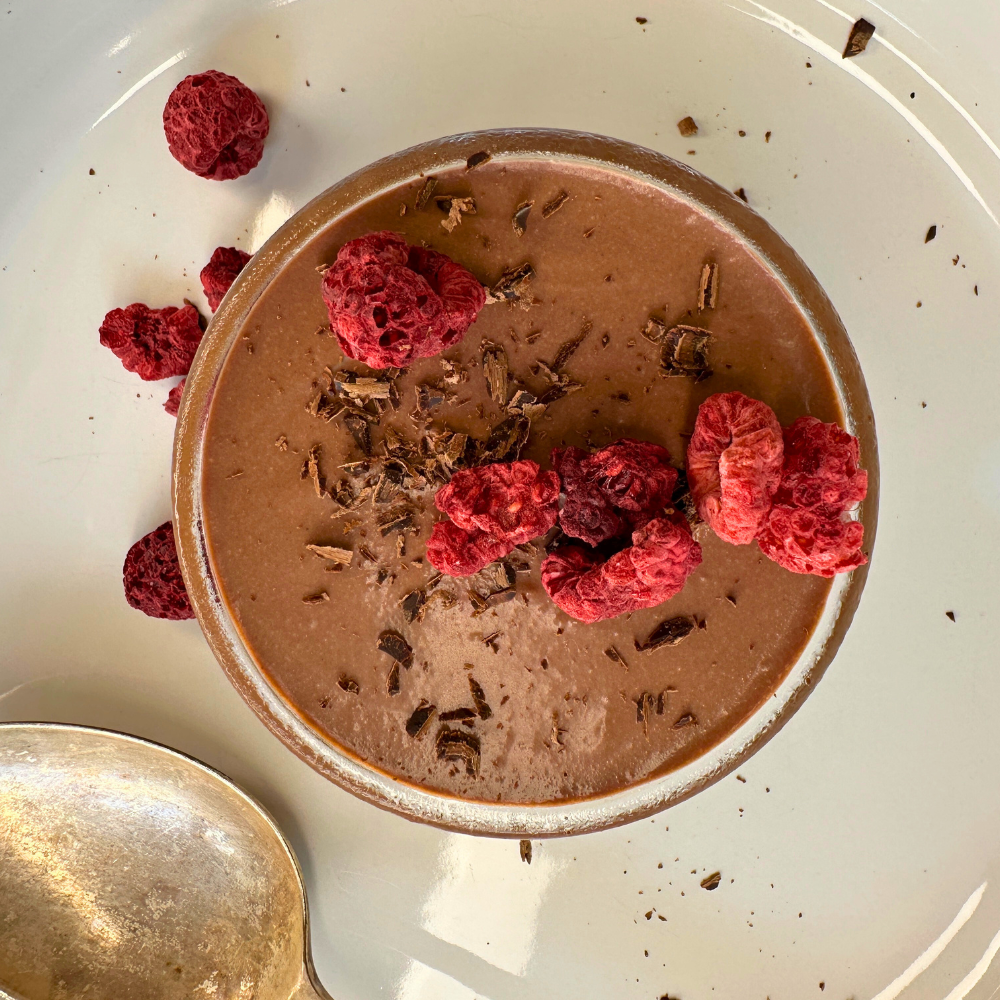
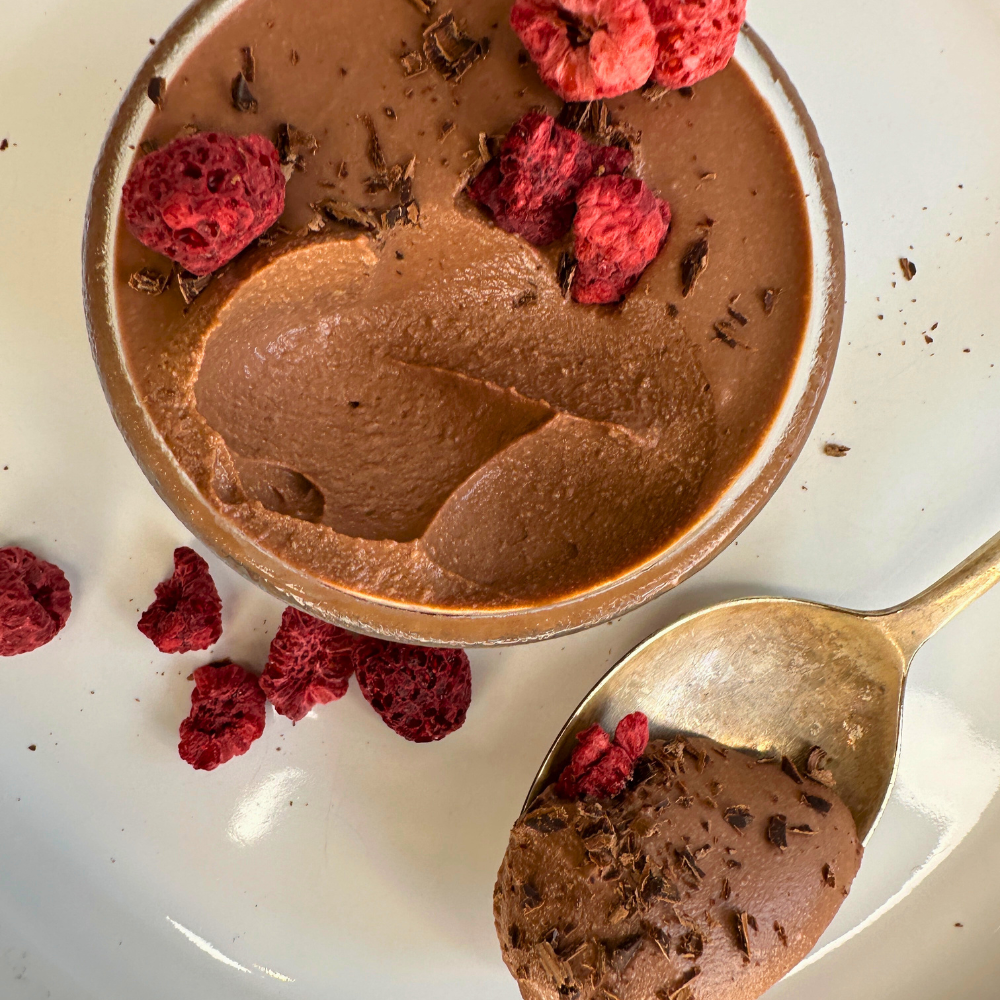
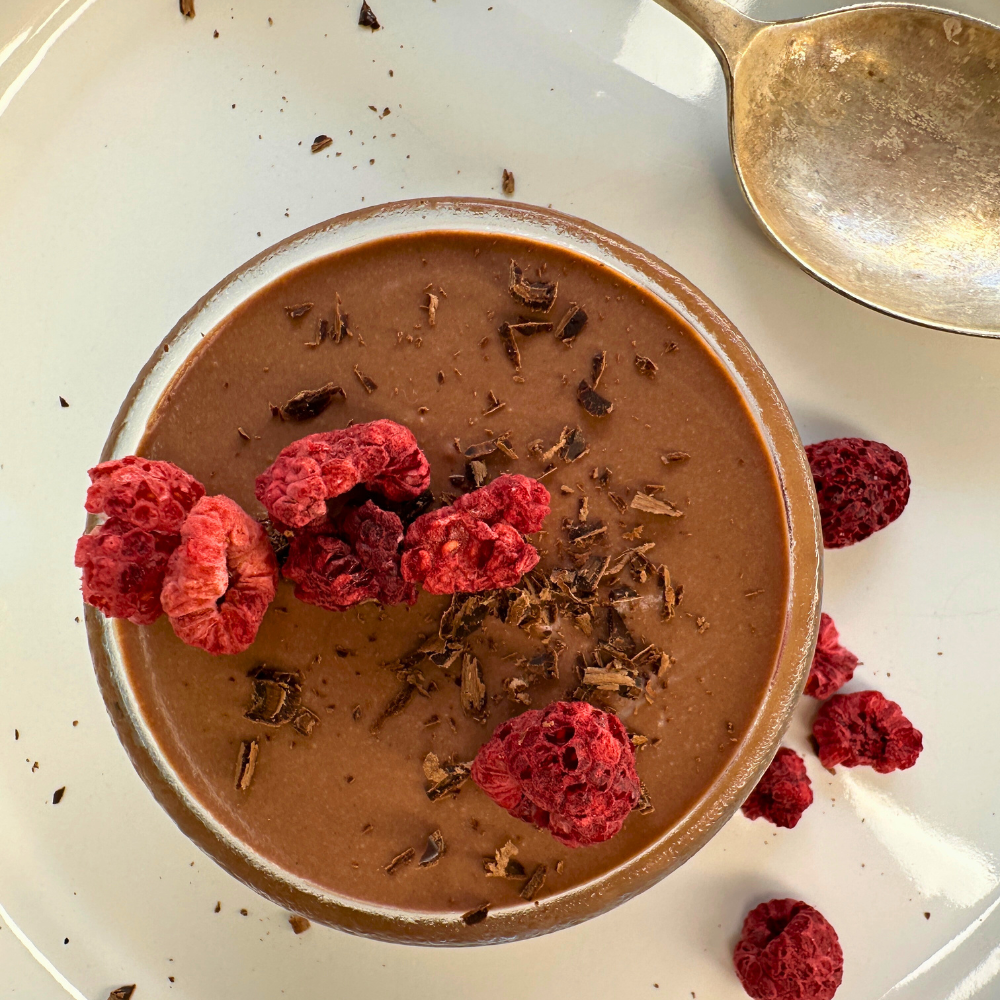
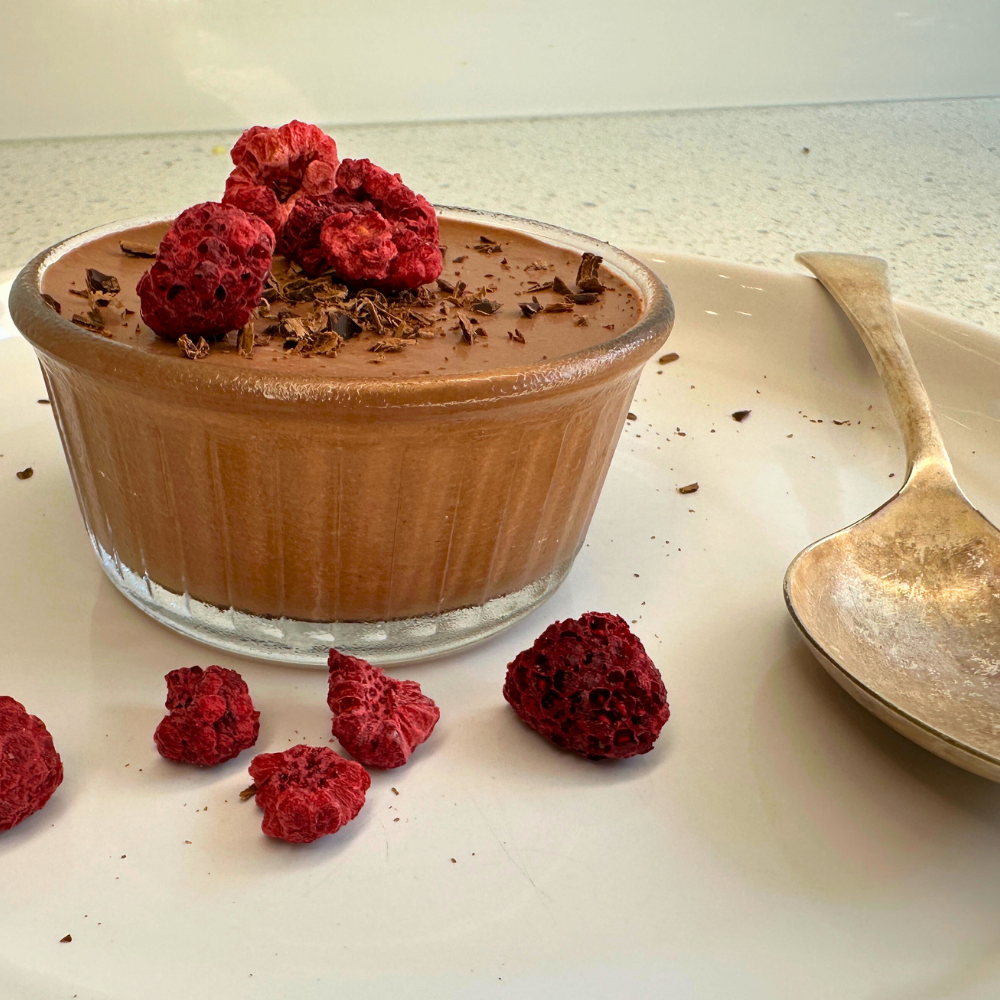
This velvety dark chocolate mousse was designed with this philosophy in mind. It offers a rich, creamy texture and deep chocolate flavour while also supporting blood sugar stability, protein intake, and micronutrient support. It is an example of how food can feel indulgent while still supporting metabolic and hormonal health.
Choosing foods that are both pleasurable and nourishing is one of the most practical ways to communicate safety and care to your body. In many ways, learning to eat in this way is an act of self-respect. It is a way of feeding yourself as though someone you deeply care about lives inside you — because biologically and emotionally, you do.
And with Valentine’s around the corner, this is a beautiful reminder that food can be one of the simplest ways we express love — whether that’s sharing something delicious with someone you care about, or carving out a moment to slow down and nourish yourself properly. Love is not only something we give to others. It is something we practice in the small, daily choices that tell our body: you matter, you are cared for, and you are safe to be nourished.
The Love Edit Chocolate Mousse
Prep Time: Approx 15 mins + 1 hour setting time.
Ingredients (Serves 4)
300 g silken tofu
½ cup milk of choice (plant or dairy — organic cow’s milk works well if tolerated)
150 g dark chocolate drops
1 teaspoon vanilla extract
2 tablespoons maple syrup
Method
Add the silken tofu, maple syrup, milk, and vanilla extract to a high-powered blender. Blend until completely smooth and creamy.
Melt the dark chocolate using either a microwave in short bursts or a double boiler method until fully liquid.
Pour the melted chocolate into the blender and blend again until fully incorporated and silky.
Pour the mousse mixture into small bowls or ramekins.
Place in the refrigerator and allow to set for approximately 1 hour before serving.
Macros (per serving)
Calories: 288 kcal
Protein: 9 g
Carbohydrates: 22.3 g
Fat: 17 g
*The combination of protein, fat, and carbohydrates in this mousse helps slow glucose absorption compared to traditional sugar-heavy desserts. The fat content contributes to satiety and flavour delivery, while protein supports fullness and blood sugar stability.
Dark chocolate also contains polyphenols, which may support vascular health and antioxidant activity.
My Final Thoughts
Food does not need to be perfect, aesthetic, or complicated to be powerful. Often, the most impactful shifts come from simple, consistent, nourishing choices that support your body in real life.
Sometimes sharing the imperfect version of something is exactly what someone else needed to see.
If you make these, I would genuinely love to know what you think and see your versions.
Maddy