
The Metabolic Signal Most People Are Missing (And It Isn’t Food)
We often talk about metabolism as if it lives entirely inside food — calories, macros, timing, meal plans. And while those things absolutely play a role, your body is constantly reading information from far beyond what is on your plate.
One of the strongest signals your body receives every single day is light.
Before food trends, before diet culture, before 24/7 artificial lighting, the human body evolved around one very predictable pattern: light rises, we wake, we eat, we move, and eventually light fades and we rest. Your nervous system, hormones, metabolism, and even your hunger signals are still organised around this rhythm.
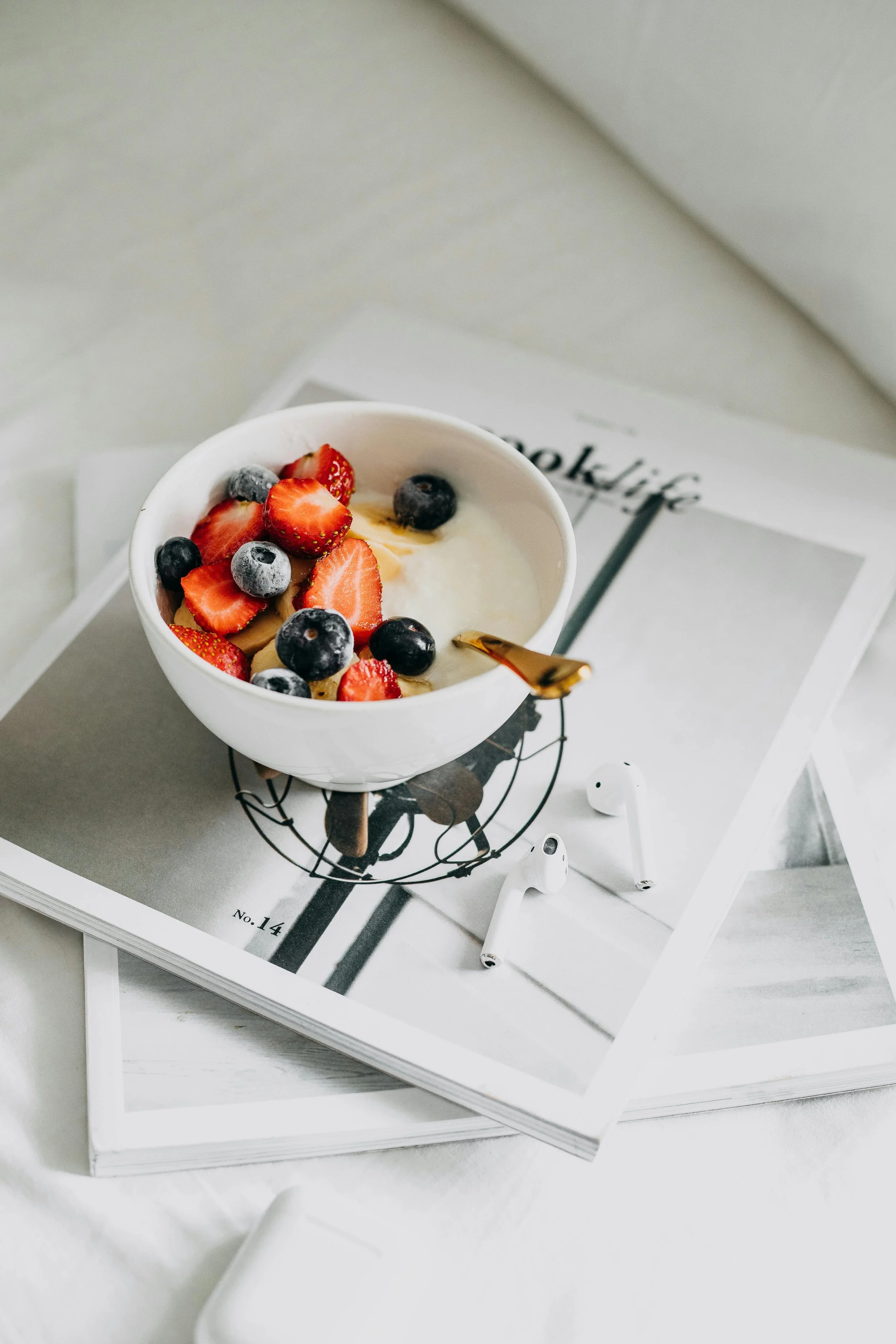
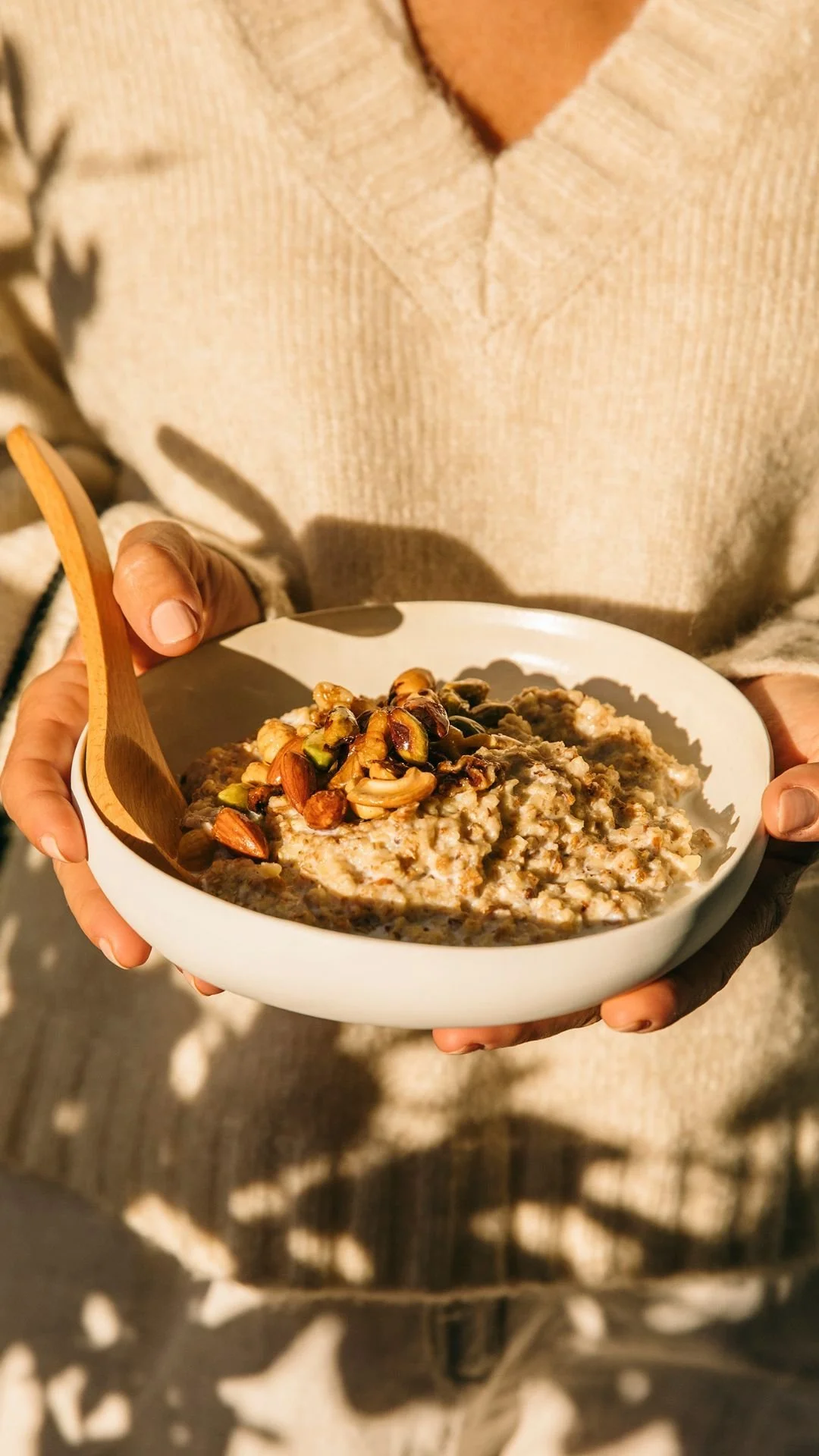
When you eat your first meal in natural daylight, you are doing something deceptively simple but biologically powerful. You are telling your brain that it is daytime, that energy is available, and that it is safe to use that energy.
This matters more than most people realise.
Morning natural light exposure helps regulate circadian rhythm, which directly influences cortisol patterns, insulin sensitivity, sleep quality, and how efficiently your cells produce energy. When these systems are working in rhythm, energy feels steadier, hunger signals feel more predictable, and your body is generally more responsive.
This is metabolism support without changing your diet. You are simply changing the environment your body receives food in.



Why Modern Life Makes This Hard (Without Us Realising)
Most of us wake up into artificial light. We check our phones. We move quickly into work mode. We often eat under overhead lighting, in cars, or at desks.
None of this is a personal failure. It is just modern life.
But your biology is still expecting natural light early in the day. When that signal is missing, hormone timing can become less precise, energy can feel more variable, and hunger and satiety signals can feel less predictable.
You do not need to live perfectly in sync with nature for your body to benefit. Even small, consistent exposure to natural light can help recalibrate these systems over time.
What This Looks Like In Real Life
You do not need to do this perfectly for it to be helpful.
You could:
Eat breakfast near a window with natural light
Take your coffee or smoothie outside
Open curtains and delay turning on artificial lights if possible
Even cloudy daylight still provides significantly more biological signal than indoor lighting, so this still works on overcast days.


The Deeper Shift
The bigger lesson here is not just about light. It is about understanding that your body is constantly responding to signals.
Food is one signal.
Light is another.
Stress, movement, sleep, safety, and environment are all part of the same conversation your body is having with you every day.
When you start changing the signals, your body often changes the outcome. Energy can stabilise. Cravings can soften. Your body can begin to feel less like something you are fighting and more like something you are working with.
You do not always need more discipline.
Sometimes you just need clearer information.
See you next week for more mind-blowingly simple shifts that can change your life !
Maddy xx