
Why 30g of Protein at Breakfast Changes Everything
There is a reason so many women feel tired by mid-morning, crave sugar before lunch, and struggle to see changes in their body composition, even when they “eat healthy.”
And what i’ve seen in 99% of the women I work with is that breakfast has been mis-lead and mis-informed…
With common breakfasts suggested being cereal, toast or it get’s missed completely…
This can feel like we are being responsible. Controlled. Disciplined.
But physiologically, it is under-fuelling.
If you want stable energy, balanced hormones, reduced inflammation and a metabolism that works with you rather than against you, the first meal of the day matters more than most people realise.
And specifically - protein matters.

Protein Is Foundational Biology
Protein is not just something bodybuilders talk about.
Protein provides amino acids, and amino acids are required for nearly every critical process in your body. They form the building blocks of muscle tissue, yes - but also of enzymes, neurotransmitters, immune cells, and many hormones.
Every enzyme that allows a chemical reaction to occur in your body is made of protein. Dopamine and serotonin production rely on amino acids. Your liver’s detoxification pathways require amino acids. The repair of your gut lining depends on them.
When protein intake is too low, the body does not shut down. It adapts. It prioritises survival over optimisation. (This is where the cortisol conversation comes in…)
And most women are functioning in “adequate for survival,” not “supported for optimisation.”
The Leucine Threshold and Muscle Preservation
One of the most important reasons 30 grams minimum of protein matters relates to something called the leucine threshold.
Leucine is an essential amino acid that activates a cellular pathway known as mTOR, which stimulates muscle protein synthesis - the process through which your body repairs and builds muscle tissue.
Research shows that in order to meaningfully stimulate muscle protein synthesis, you need approximately 2–3 grams of leucine in a single meal. For most complete protein sources, that translates to roughly 25–35 grams of protein at once.
Anything significantly below that threshold produces a much weaker signal.
This matters because lean muscle mass is one of the strongest predictors of long-term metabolic health. Muscle tissue improves insulin sensitivity, supports blood sugar regulation, increases resting metabolic rate, and protects against age-related metabolic decline.
If your breakfast consists of one egg and toast, roughly 9–10 grams of protein total - you are not reaching that threshold. You are not giving your body a strong enough signal to preserve and maintain lean tissue.
Over time, that adds up.

Why Protein Changes Your Metabolism, Hormones and Cravings
Protein does far more than support muscle.
It directly influences blood sugar regulation, appetite control, metabolic efficiency, hormone production, detoxification and gut repair. When your protein intake is too low, especially at breakfast - multiple systems begin to underperform at once. This can be why you might feel “snacky” all day….
So let’s start with blood sugar.
When you eat carbohydrates on their own, they are absorbed quickly. Blood glucose rises fast. Insulin surges. A few hours later, blood sugar drops - and you feel tired, hungry, foggy or craving something sweet. (Think toast, cereal, fruit….)
That mid-morning slump is not a discipline issue.
It is physiology.
Protein slows gastric emptying, meaning glucose enters the bloodstream more gradually. It blunts the spike. It moderates insulin. It increases satiety hormones like GLP-1 and peptide YY, while helping suppress ghrelin (your hunger hormone).
When women consistently eat around 30 grams of protein at their first meal of the day, they report fewer cravings, steadier energy, clearer focus and less reliance on caffeine.
Not because they’re trying harder.
Because their biology is stabilised.
Protein also has the highest thermic effect of food. Roughly 20–30% of its calories are used during digestion and metabolism, compared to 5–10% for carbohydrates and 0–3% for fats. It simply requires more energy for your body to process - which mans you burn more calories eating protein vs carbs !!
It is metabolically active fuel.
Beyond energy balance, amino acids are essential for thyroid hormone conversion (T4 to T3), sex hormone production, liver detoxification pathways and repair of the gut lining. If protein intake is insufficient, these systems cannot function optimally.
If you are experiencing bloating, inflammation, hormonal disruption, fatigue or resistance to fat loss, protein adequacy is not optional.
It is foundational.
Not a trend.
A biological requirement.
What 30 Grams Actually Looks Like
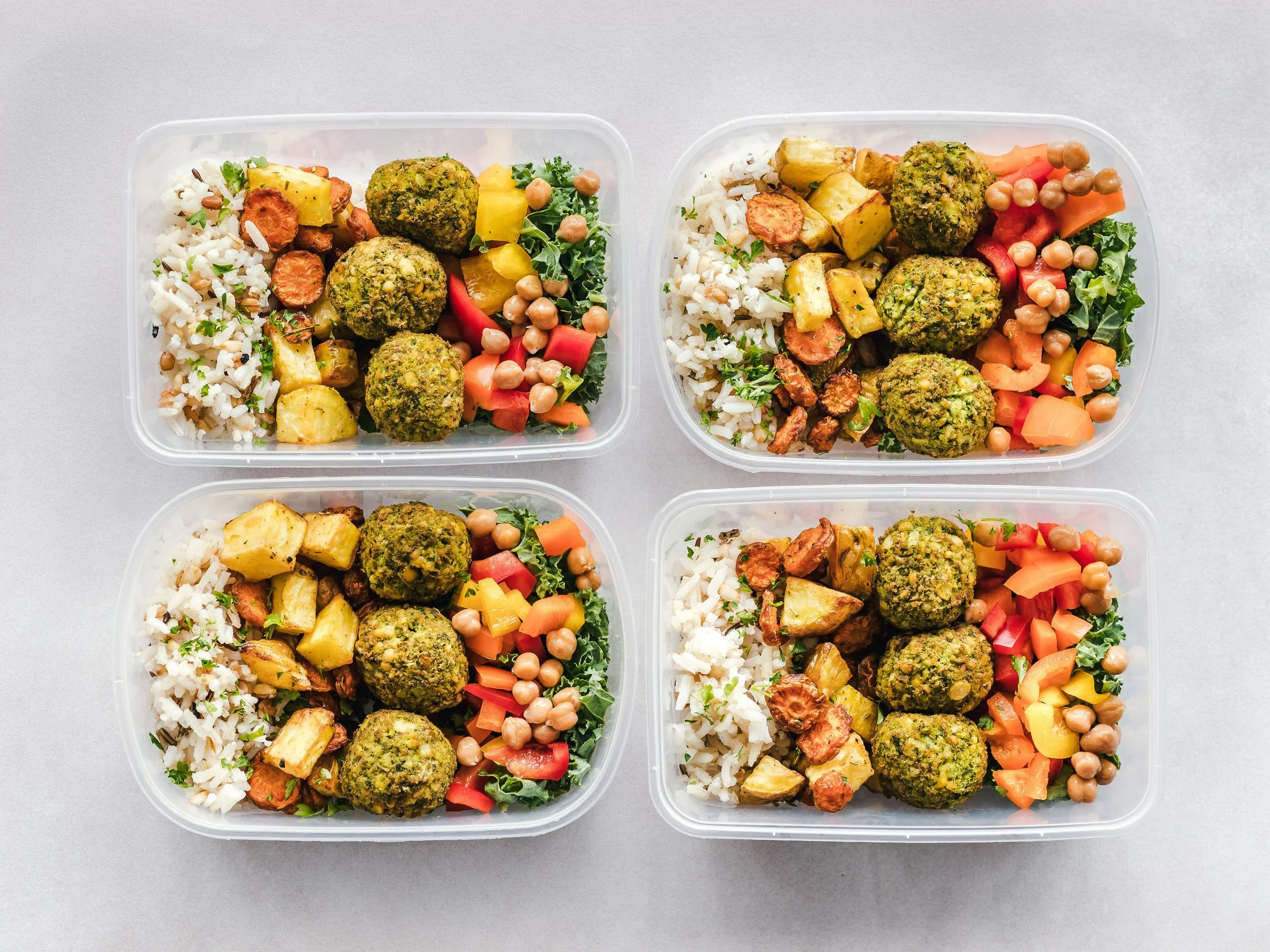
Thirty grams of protein may sound like a lot if you are used to lighter breakfasts, but in practice it is very achievable.
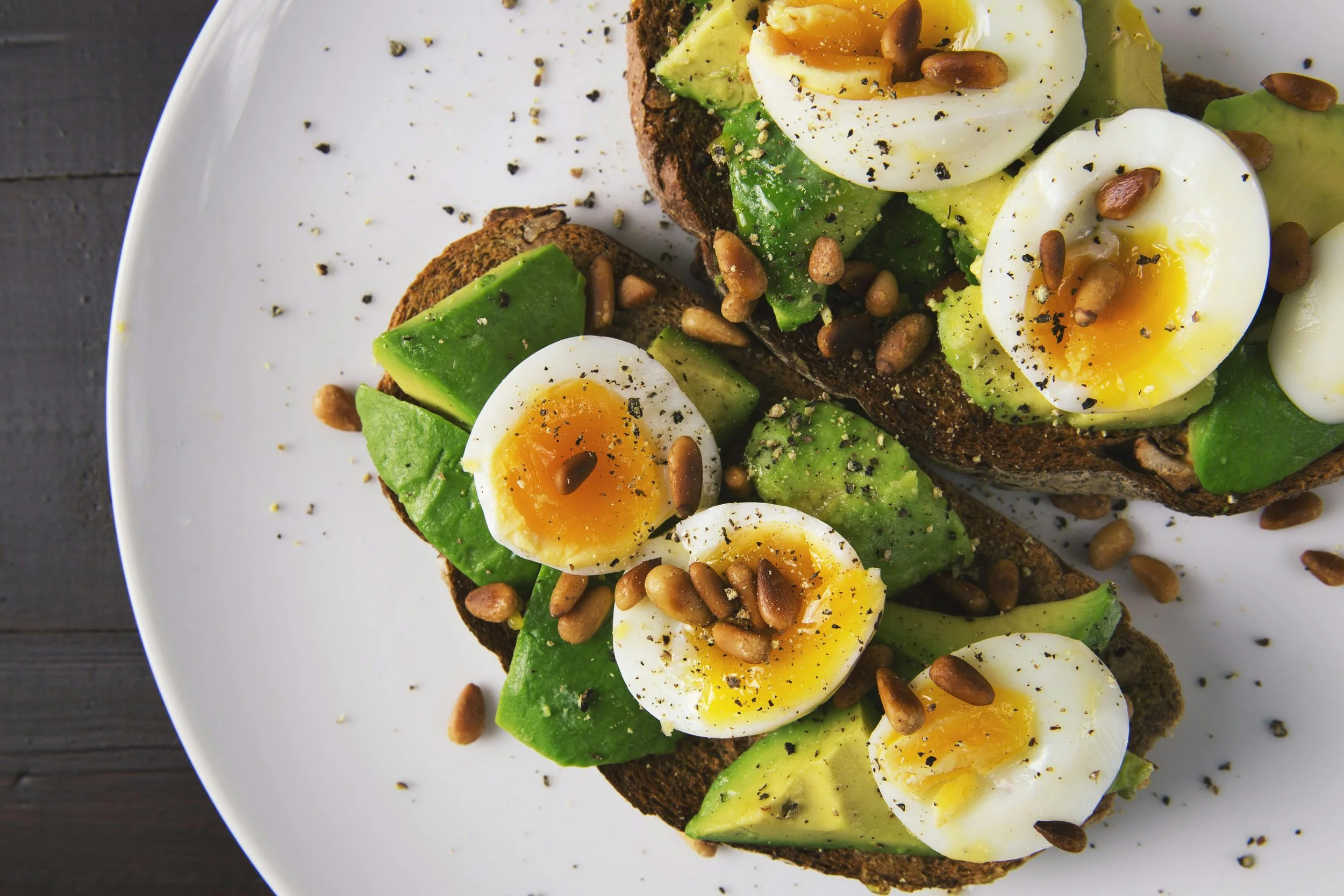
It could look like three whole eggs plus additional egg whites.
It could be 150 grams of Greek yoghurt with collagen or protein powder mixed in.
It could be a properly formulated protein smoothie.
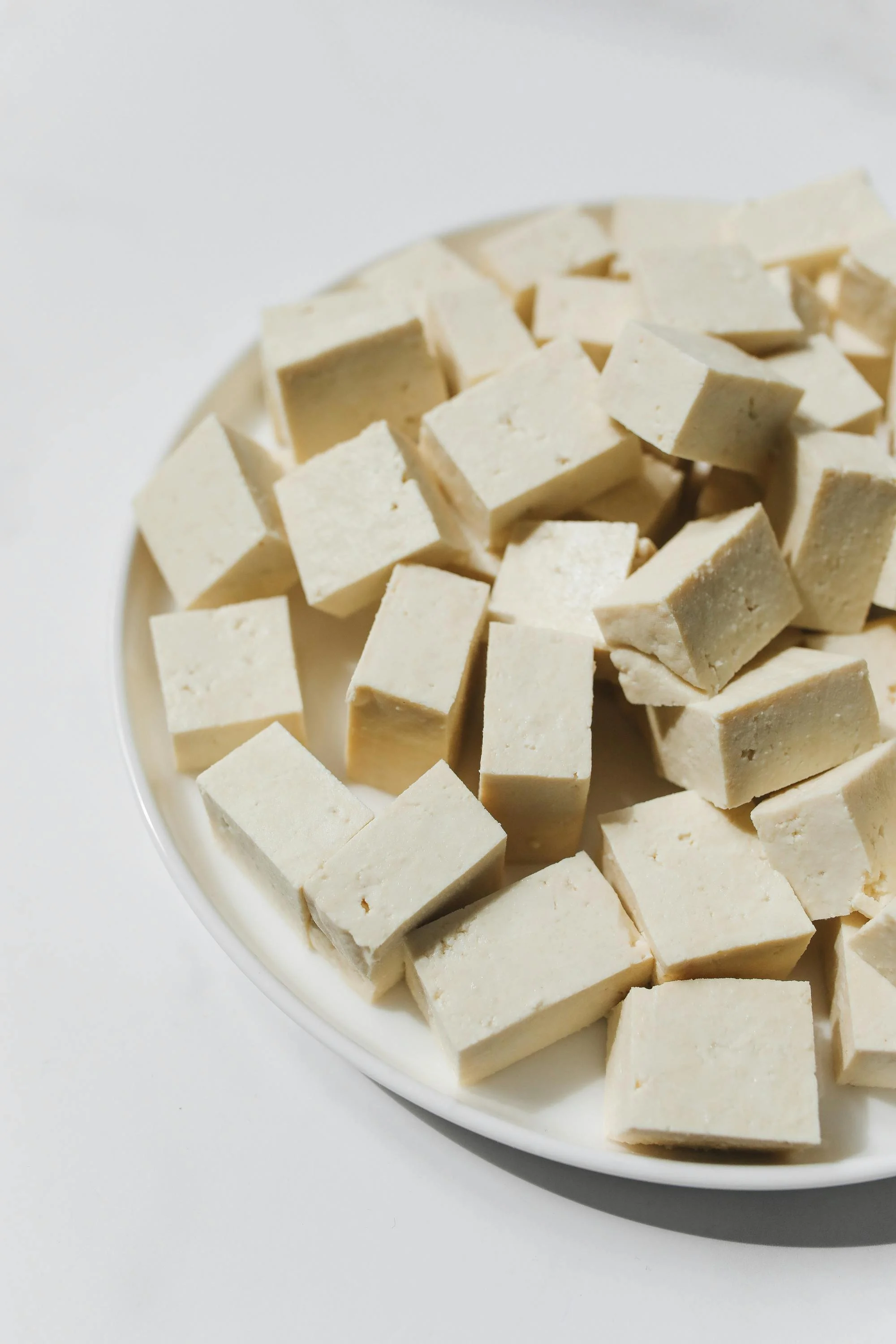
It could be 120–150 grams of chicken or 200 grams of tofu.
One egg on its own provides about six grams. Toast adds only a few more.
That typical “healthy” breakfast of toast and one egg simply does not meet the physiological threshold required to stimulate muscle protein synthesis or meaningfully stabilise blood sugar.
Why Breakfast Specifically Matters
After an overnight fast, your body is naturally in a more catabolic state. You have broken down tissue for energy while you slept. Providing sufficient protein in the morning shifts your body back toward repair and rebuilding.
Distributing protein evenly throughout the day appears to be more beneficial for muscle preservation and metabolic health than consuming most of it in one large dinner.
Breakfast is an opportunity to set the metabolic tone for the day.
The Bottom Line
If your goals include fat loss, reduced inflammation, improved energy, stable blood sugar, or long-term hormone support, increasing your protein intake at your first meal is one of the most powerful shifts you can make.
Thirty grams.
At meal one.
Consistently.
Not occasionally.
This is not extreme. It is not a fad. It is not influencer advice.
It is basic human physiology.
Fuel your body like it matters.
Because it does.
See you next week for more mind-blowingly simple shifts that can change your life !
Maddy xx